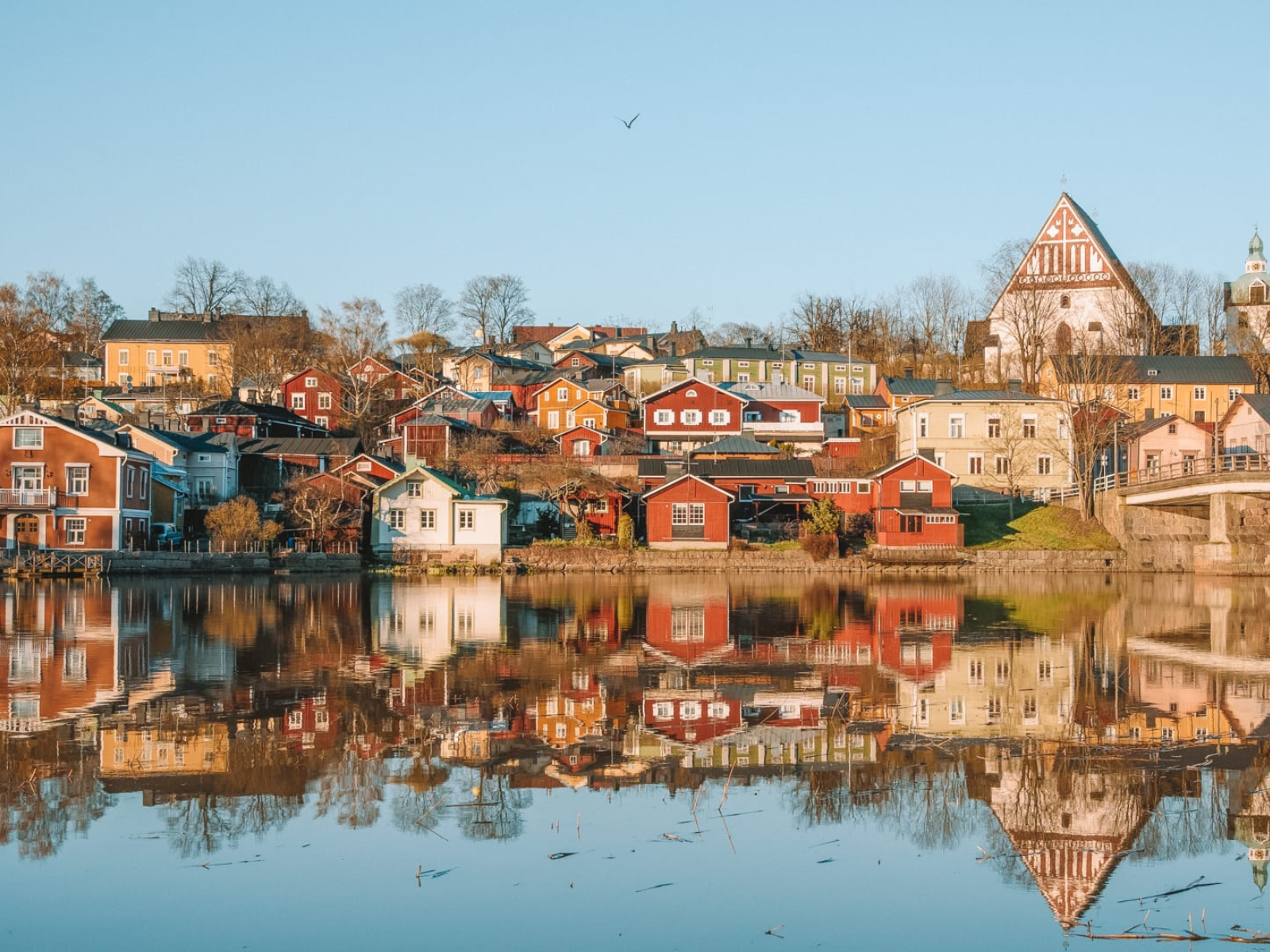
Happiness Rankings 2026.
The quiet power of experience over growth.
The latest global happiness rankings of 147 countries - compiled by institutions including the United Nations and Gallup - have been released, once again led by Nordic countries.
“The happiest countries are not ahead, they simply have less friction.”
What happened?
This week, the World Happiness Report 2026 was published. It measures how people assess their own lives, asking respondants to place themselves on an imaginary ladder, where the top represents ‘best possible life’. While GDP and income remain factors, this year’s findings highlight patterns of social media usage, social support and freedom to make choices as predictors of happiness. The rankings remain consistent with 2025 - smaller, stable economies dominate the top, while larger, faster growing nations, rank lower - despite their global influence and economic scale.
Rankings:
Numbers in ().
Ranked highest were: (1) Finland, (2) Iceland, (3) Denmark, (4) Costa Rica and (5) Sweden.
Rankings for interest: (15) Australia, (17) Germany, (21) UAE, (23) US, (25) Canada, (29) UK, (35) France.
Why is this important?
The rankings reveal a disconnect between economic performance and perceived quality of life. The happiest countries are not those scaling fastest - but those optimising for stability, trust and low friction - where healthcare, public systems and education operate reliably in the background.
This reflects a shift from growth to experience. Happiness is where expectations are met, communication is clear and outcomes are predictable.
What should brands do?
Optimise for client experiences that remove friction, simplify choice and build trust. Services should anticipate needs rather than react to them. Design for fewer more meaningful interactions - where value is delivered quietly and consistently. At the same time, brands should recognise the importance of emotion. Community and belonging are not ideas, they are measurable drivers of satisfaction.
Alternatively?
Expectations vary across cultures, and what works in one may not translate to the other. Stability can also limit energy or innovation.
Be aware: For the World Happiness Report, the methodology itself has been questioned. Self-declaration captures a feeling in a moment, without depth, context or nuance and many governments have adopted more nuanced approaches to measuring wellbeing.