Apple at 50: Extending reach to the Top and the Bottom.
What began as a garage start-up is now a $3.6 trillion company. Over that time Apple hasn’t just introduced innovation that has reshaped behaviour, it has led the charge on privacy (remember the “Privacy. That’s iPhone.” ads?) and become known for its refusals (no to commercialising client data). With the emergence of Ultra and Neo, Apple appears to be entering an evolutionary phase. Not just of continued innovation, but also one of extending reach to new clients.
“The next 50 years will not be only about new innovation,
it will be about stretching what already exists.”
Thinking differently
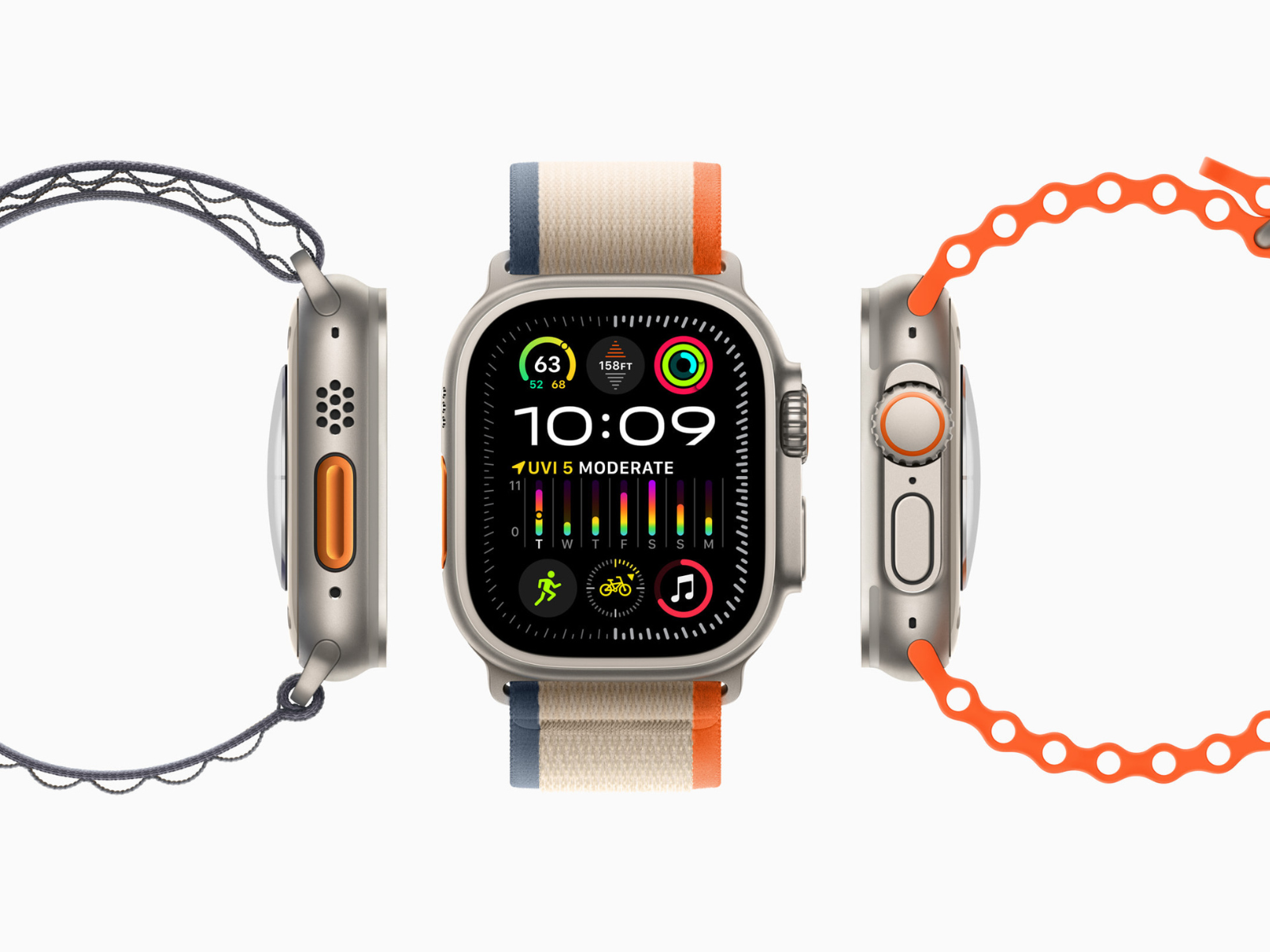
Apple tells us it is “more focused on building tomorrow than remembering yesterday” - and that tomorrow appears to involve a stretch in both directions. At the top, pushing the ceiling with Ultra. At the bottom, lowering the floor through entry-level products like Neo. There are officially only two Ultra products (an Apple Watch and “Ultra” chips), but the signal is also revealed though its ongoing collaboration with Hermès. Consistent with a luxury product model, Ultra products, which typically cost +70% above the tier below, are not designed for volume - this is about exclusivity.
At the other end, Neo signals accessibility. By retaining older models on sale for longer and introducing simplified lines like SE, Apple has been quietly widening entry points. Neo is not a stripped down product, but a product in its own right, typically -40% below the next tier. It opens the door to Apple without changing the experience.
Here’s to the crazy ones
Neo brings in new clients - ones who will upgrade over time, move across categories, and ultimately become clients for life. Ultra builds aspiration on top of desirability through limited products, performances or services. Together, they extend Apple’s relevance. Apple believes “that the people crazy enough to think they can change the world are the ones who do”. Apple has done so for 50 years, the question is how it continues.
If Apple wanted to own luxury…
…it would have to go beyond products into scarcity, access and experience. Ultra products would become limited and localised. Dedicated advisors would serve specific clients, offering private previews, early access and product personalisation. Stores would open up private spaces and appointments for “The Apple Experience” would be offered. It would be another strategic shift - one that requires courage - but here’s to the crazy ones.
Links
Apple: 50 years of Thinking Different
Sources:
Wikipedia, Apple Insider, Apple.com