28 JUNE, 2026
FIFA’s World Cup. Seattle’s rules. Whose culture wins?
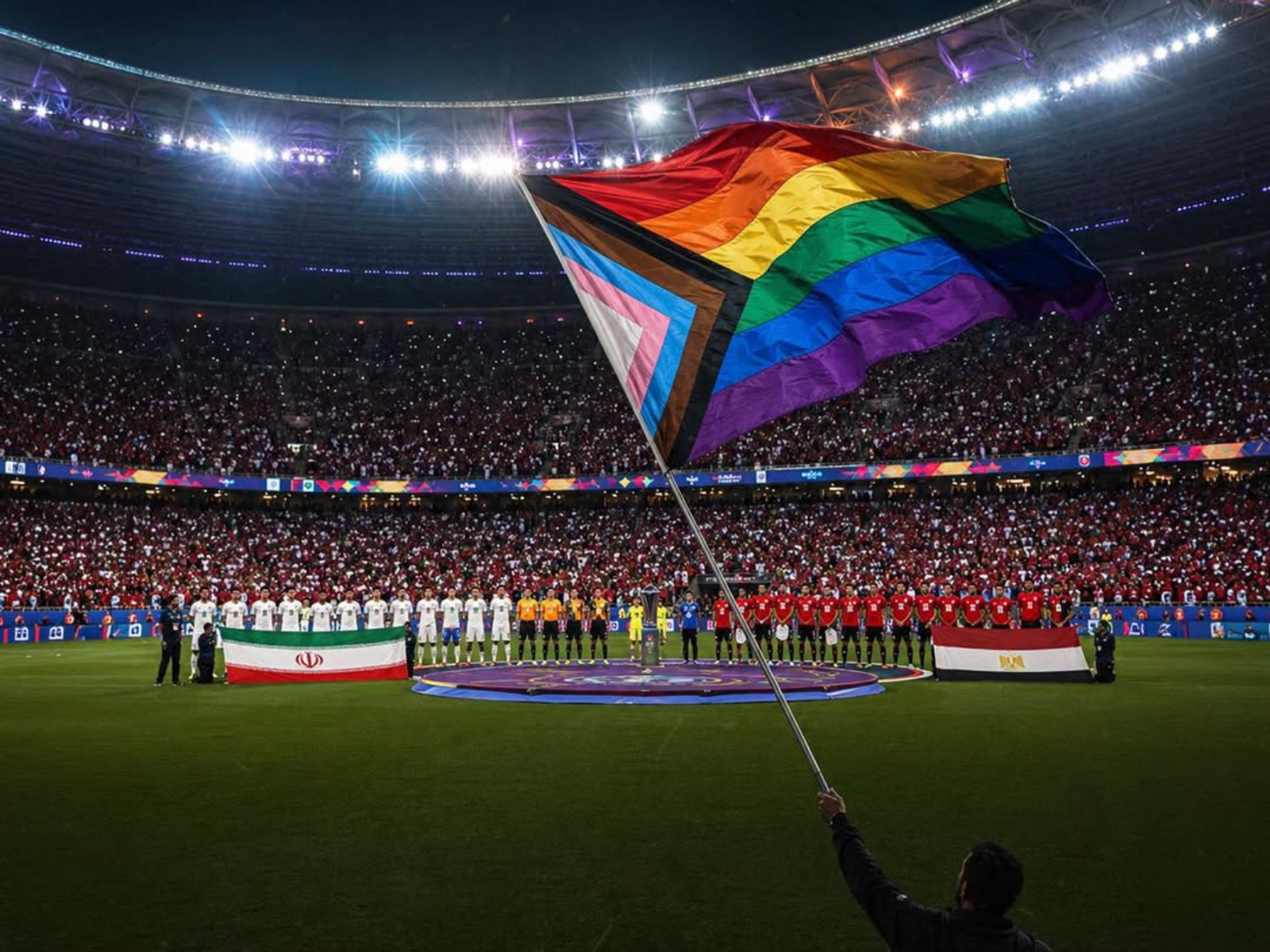
Last Friday, Iran and Egypt played their World Cup match in Seattle. That should have been the only story - but it wasn’t. Seattle’s local organising committee had designated the June 26 fixture as Pride Match Day, aligning it with the city’s annual Pride celebration. To Seattle, the decision reflected who the city was. To Egypt and Iran, where LGBTQ+ people face legal persecution, it was unacceptable.
“Commercials can be controlled, culture cannot - and sponsors buy into both.”
Both federations formally objected to FIFA. Egypt’s Football Association said the event conflicted with its cultural, religious and social values. Iran’s federation called it inappropriate. FIFA declined to intervene, confirmed Pride flags would be permitted inside the stadium and clarified that the Pride Match designation was not part of official World Cup programming. Seattle carried on.
The debate quickly became about LGBTQ+ rights, freedom of expression and whether Seattle was right to continue. But there was a more relevant question for brands, host cities and global events:
Can a global event ever be culturally neutral?
International sport is a meeting place for the world. Teams arrive with different politics, religions and cultures, willing to compete under a common set of rules. Nations bring their identities onto the pitch, but the event itself is meant to be neutral - that’s what makes sport so powerful. It is a space where the world sets its differences aside and competes on equal terms.
Global sponsorship has traditionally been built on predictability and neutrality. Brands choose an event, negotiate their rights, and expect a relatively stable environment in which to activate. Activations follow strict commercial rules, set by the event. But a stadium is not neutral. It sits in a city with a history, and a community that has values.
Commercials can be controlled, cultures cannot - and sponsors also buy into them.
At Qatar 2022, host culture constrained visiting fans’ expression and the world’s press called it imposition. In Seattle, the response has been one of support. The values may point in opposite directions, but the logic is the same.
Seattle was simply expressing who it is. The decision on Pride Match Day was made months in advance, before the city knew who would be playing. It was not reacting to participants or asking the teams to agree with its values, it was welcoming them into their environment where those values were already present. There is no criticism, just observation.
Brands should stop assuming global events are culturally neutral. The commercial rights to a global event can be carefully negotiated, the cultural meaning can only be anticipated - and the location comes with it. A host city’s identity is part of what’s being bought.
The match ended 1-1. No winner, no loser. Perhaps the most honest result for a day that raised questions without easy answers.
Read next: When does demand based pricing go too far?
Email subscribers receive exclusive perspectives - sign up here.