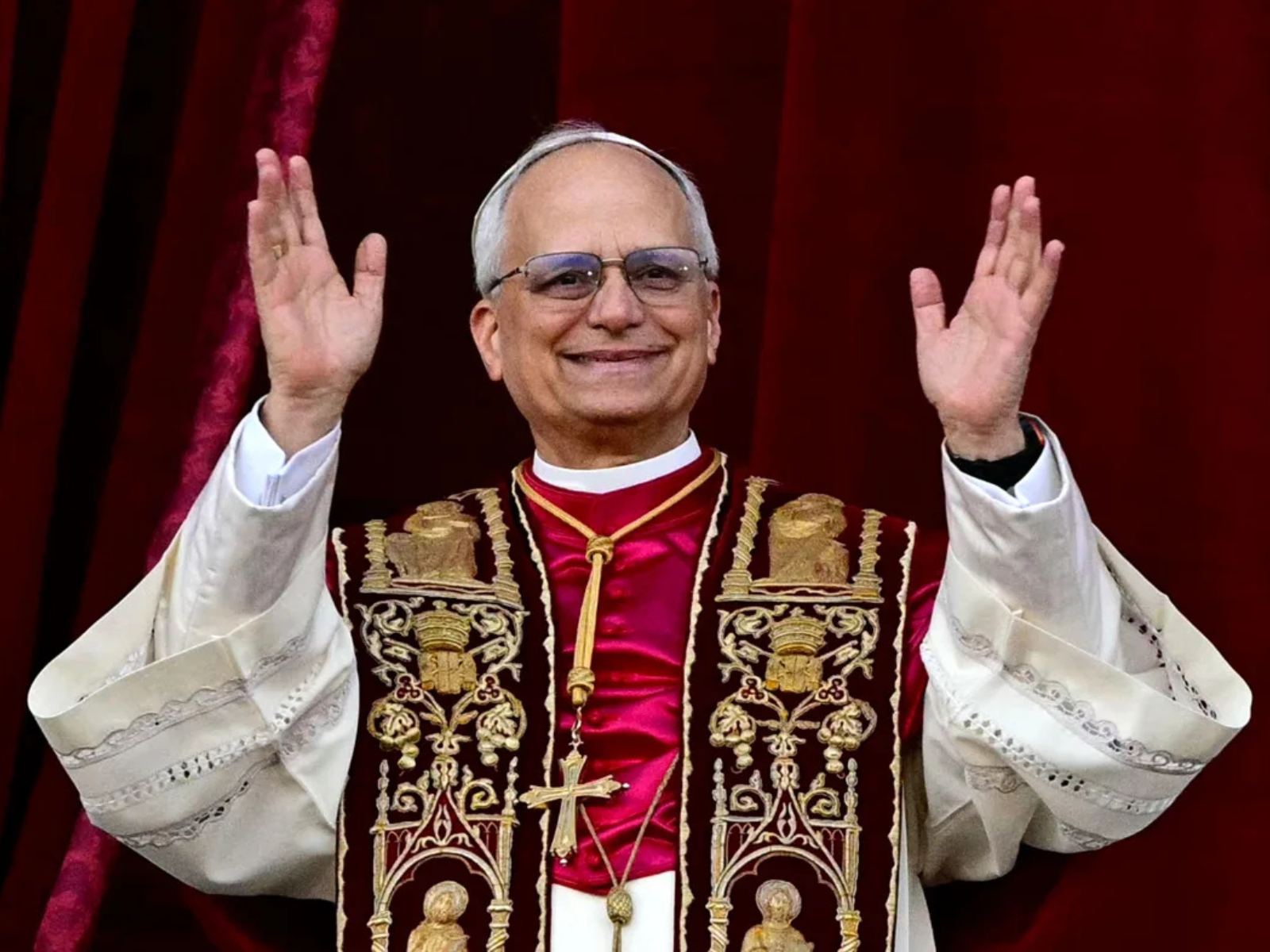
The Pope reframed Silicon Valley on AI. He used Tolkien.
On 25 May 2026, Pope Leo XIV published Magnifica Humanitas (“The Magnificent Humanity”) - the Catholic Church’s first formal encyclical on artificial intelligence. He presented it in person alongside Christopher Olah, co-founder of Anthropic. Tolkien was amongst those quoted, specifically the words of Gandalf, in The Return of the King.
“Gandalf’s message is to act wisely within the circumstances you are given,
rather than seek mastery.”
What happened exactly?
An encyclical is a formal letter issued by the Pope, addressed to the Catholic Church and the wider world. It is regarded as one of the Church’s most authoritative teaching documents. In his first encyclical, Magnifica Humanitas, Pope Leo XIV called for “the disarming of AI”, drawing on a wide range of thinkers, including JRR Tolkien. The chosen reference was spoken by Gandalf to Frodo, at a moment where the characters are overwhelmed, facing forces beyond their control:
“It is not our part to master all the tides of the world, but to do what is in us for the succour of those years wherein we are set, uprooting the evil in the fields we know, so that those who live after may have clean earth to till.”
Why is this important?
The most morally serious and culturally resonant brief on AI in 2026 did not come from a technology company or investor, it came from the Pope. A conversation dominated by capability, acceleration and scale was reframed to one about responsibility and ethics, and who bears the cost of technological progress. The choice of Tolkien - and Gandalf, was deliberate. Tolkien, a Catholic himself, explored themes of humility, sacrifice, power and duty throughout his work. Gandalf’s message is to act wisely within the circumstances you are given, rather than seek mastery.
This idea was reinforced elsewhere in the encyclical, where Pope Leo XIV warns against treating AI as something “magical”. The irony is that he chose a wizard to make the point. Gandalf is remembered not for his power, but for his wisdom.
What should brands do?
For brands that communicate about AI - in campaigns or communications, internally or externally - this document matters. The Pope’s reframe is philosophical - he is not anti-technology, but against technology that forgets the person at the end of it.
Isn’t this what every client-first, loyalty or personalisation strategy is about? Clients are asking for transparency, to know what is known about them and how it is used. To be recognised as an individuals, not unique IDs with behavioural histories. Magnifica Humanitas legitimises these questions and gives them permission to set expectations. AI responsibility has just moved from something brands could do, to something they must do.
What does Anthropic’s presence mean?
We don’t know why Anthropic was present and other AI frontier leaders were not, however Olah’s presence signalled a willingness to engage in a conversation framed by ethics. He acknowledged that the industry needed external moral pressure confirming that there “is a real possibility that AI will displace human labor at a very large scale” - and no means exists to distribute the gains globally or prevent mass social devastation. The challenge will not be on building AI, it will be deciding what kind of future we want it to create.
Read next: Letter to the FT: Keeping AI honest.
Email subscribers receive exclusive perspectives - sign up here.
Sources