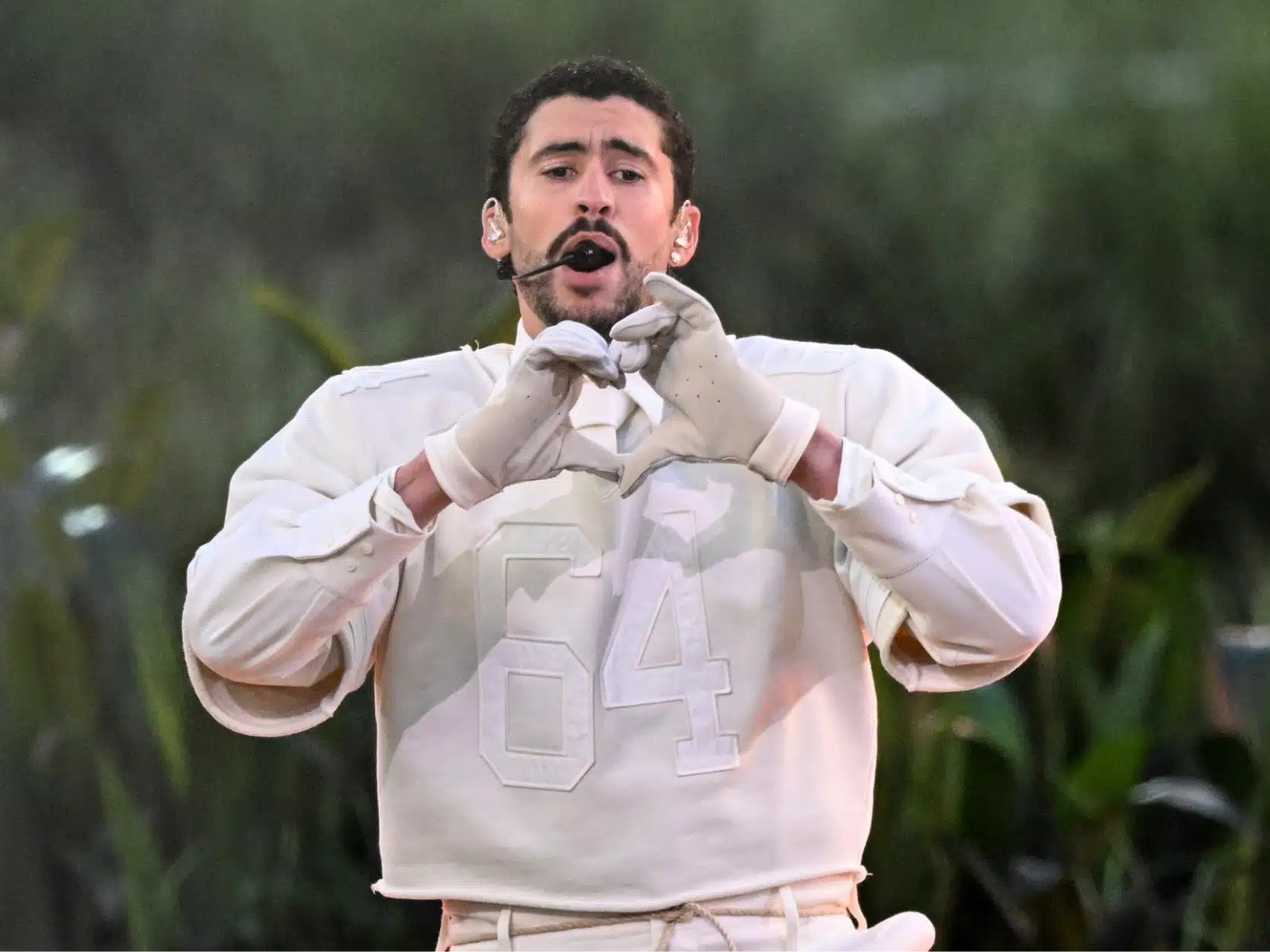
Zara lets Bad Bunny launch the brand.
On Saturday 16 May, Bad Bunny walked unannounced into the Plaza Las Américas mall in San Juan, Puerto Rico and inaugurated his Zara capsule, titled “Benito Antonio” — his real first and middle names, not his stage identity. That was the launch - he simply appeared. No major advertising push preceded it, no polished musical choreography and no global countdown.
The collection went on sale in Puerto Rico that day, ahead of the wider availability (scheduled for today). The moment spread because people participated in it and then posted it.
“The uncomfortable implication is that some brands are no longer creating culture - they are renting it through access to people who already do.”
What happened?
The collaboration had been building for months before the store visit. Bad Bunny wore Zara at the Super Bowl LX and at the 2026 Met Gala. The wearing came first, the press release came last. When he walked into the mall in Puerto Rico wearing the brand, there was nothing left for it to do. It had delivered the campaign.
Why is this important?
Fashion has always controlled image through media buying, celebrity endorsement, editorial access and creator influence. The most powerful launches now feel socially discovered rather than commercially delivered.
The uncomfortable implication is that some brands are no longer creating culture - they are renting it through access to people who already do. Historically, celebrities borrowed status from brands. Increasingly, brands borrow relevance from people who have the attention they want, independently of them.
Bad Bunny became the campaign, and the cultural legitimacy. The absence of visible marketing, in his home city, made the launch feel more authentic, more local, and more culturally owned - there was no metric in mind. Compare this to Mango’sHailey Bieber campaign one week ago: one is an advert, the other a moment.
What should brands do?
Audit your brand collaborations against the Bad Bunny test: Would your talent show up unannounced at one of your stores, and would clients recognise them as wearing the brand? If the answer is no, you have an ambassador, not a collaborator. This difference could make the difference between authenticity and advertising. You want the recognition that comes from authenticity.
Is this a repeatable model for success?
Be careful. Bad Bunny worked because it did not feel like a model. The moment talent arrives unannounced and goes viral becomes a repeatable playbook, it stops being a cultural moment and starts being a lower-cost production with better concealment.The absence of visible marketing only works because it is real. Gen Z, can feel the difference - they have grown up inside the machinery of influence. The most powerful part of all of this is that he simply walked at ease into a mall at home. It felt human.
Read next: The Met Gala’s Tech Takeover
Email subscribers receive exclusive perspectives - sign up here.
Sources