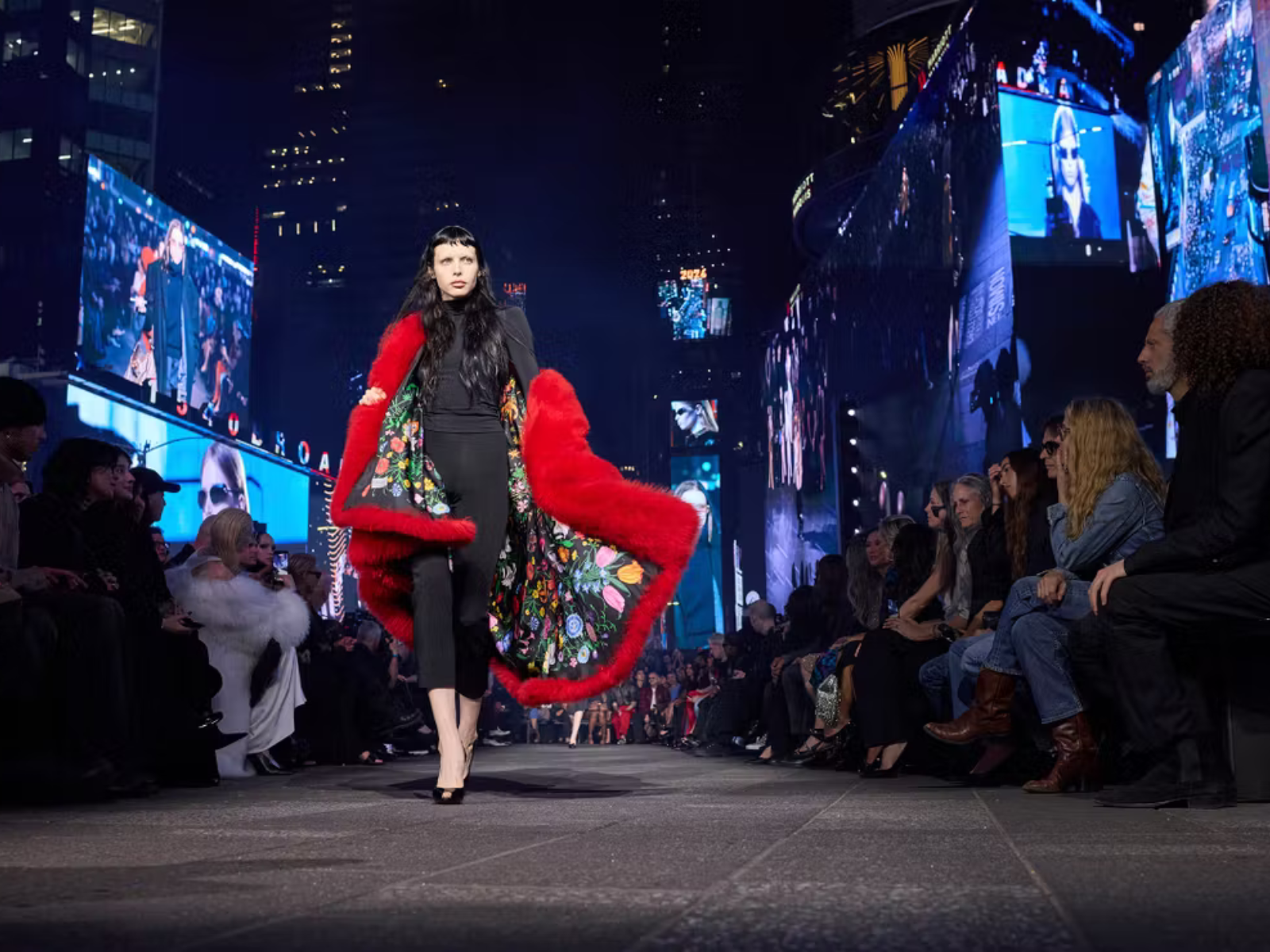
Luxury’s new KPI is desirability.
At Kering’s Annual General Meeting on 28 May, CEO Luca de Meo addressed shareholders with a summary of the group’s transformation. It covered the operational reset: store closures, inventory and efficiencies.
Then, confirming the group’s performance targets, he named the metrics that would govern the transformation: growth, operating margin, return on capital employed - and brand desirability.
“Desirability is not being introduced as a new ambition.
It is being restored as a lost one.”
Observation
The language of desirability runs through the entire strategy.
Gucci’s turnaround plan is titled Rinascimento and it’s first priority is: “rebuilding desirability: making Gucci unmissable again”. Balenciaga’s role within the portfolio is defined through “recruitment, desirability and cultural impact”. Across the group, each House has been given a brand strategy in which desirability is a goal.
This is not marketing language dressed up as a strategy. At the AGM, de Meo confirmed that executive compensation is now linked to brand desirability measures alongside financial targets. The group will be held accountable to it - and is a notable shift for a company that helped define modern luxury through global expansion.
The operational context makes this signal sharper: The group ended 2025 with 1,719 stores, down 75 year on year, and plans to close at least 100 more before the end of the year. Inventory is being reduced by around €1 billion and Gucci plans to reduce the number of products by 20%. Meanwhile, Q1 2026 sales fell 6.2% on a reported basis. Despite this pressure, Kering’s response is not to open more, produce more or enter more categories. Instead, it is to contract - and rebuild desire in the space that contraction creates.
Interpretation
For much of the last two decades, luxury measured success through expansion: More stores, more markets, more products and more clients. The assumption was that growth created desirability. Kering is now arguing the reverse. Desirability creates growth. This shift is subtle, but it changes everything.
De Meo was direct about what went wrong. At the Capital Markets Day, he acknowledged that “over the past years we have not always done the right thing” - that creative direction lacked stability, the offering became uneven, and the group diluted its identity by trying to be everything for everyone. Desirability therefore is not being introduced as a new ambition, it is being restored as a lost one.
Desirability is difficult to measure directly because it is a leading indicator. It appears before revenue moves - in attention, in cultural relevance, in waiting lists, in appointment bookings and in the willingness to pay the price. By the time it shows up in sales, it has already happened. Luxury has traditionally relied on downstream measures that confirm desire existed - Kering is now trying to measure it upstream, where it is forming.
The inventory and SKU reductions are not just operational efficiency. They are acts of deliberate scarcity - the oldest mechanism in luxury for protecting desire. De Meo said it directly: reducing volumes means protecting product value. In markets like China, where local brands are gaining credibility and clients are choosing them, availability is no longer a competitive advantage. Being present is not enough, the brand must be preferred.
The Final Word
Luxury spent years building distribution. Now it is [re]building desire.
The most significant part of Kering’s strategy is not the margin ambitions. It is the decision to elevate desirability from a marketing ambition to a governance metric. The question that remains is operational: How does one measure desire? It cannot be measured directly - it must be inferred from behaviours that suggest it exists: full price sell-through, waitlist depth, media impact, client recruitment quality. Kering has named the destination. The harder work is building the instruments to know when you get there.
Alternatively?
The danger in managing desirability is that brands start optimising for what is measurable rather than real. Attention is visible, immediate and trackable. Desire is slower, deeper and harder to quantity. Kering has made it a strategic word, the test is whether it can be operationalised - or stays a compelling story told to shareholders.
Read next: The Labubu Drop: Hype builds fast, meaning lasts.
Email subscribers receive exclusive perspectives - sign up here.