13 JULY, 2026
Elo recreates Pelé’s voice for one more peformance.
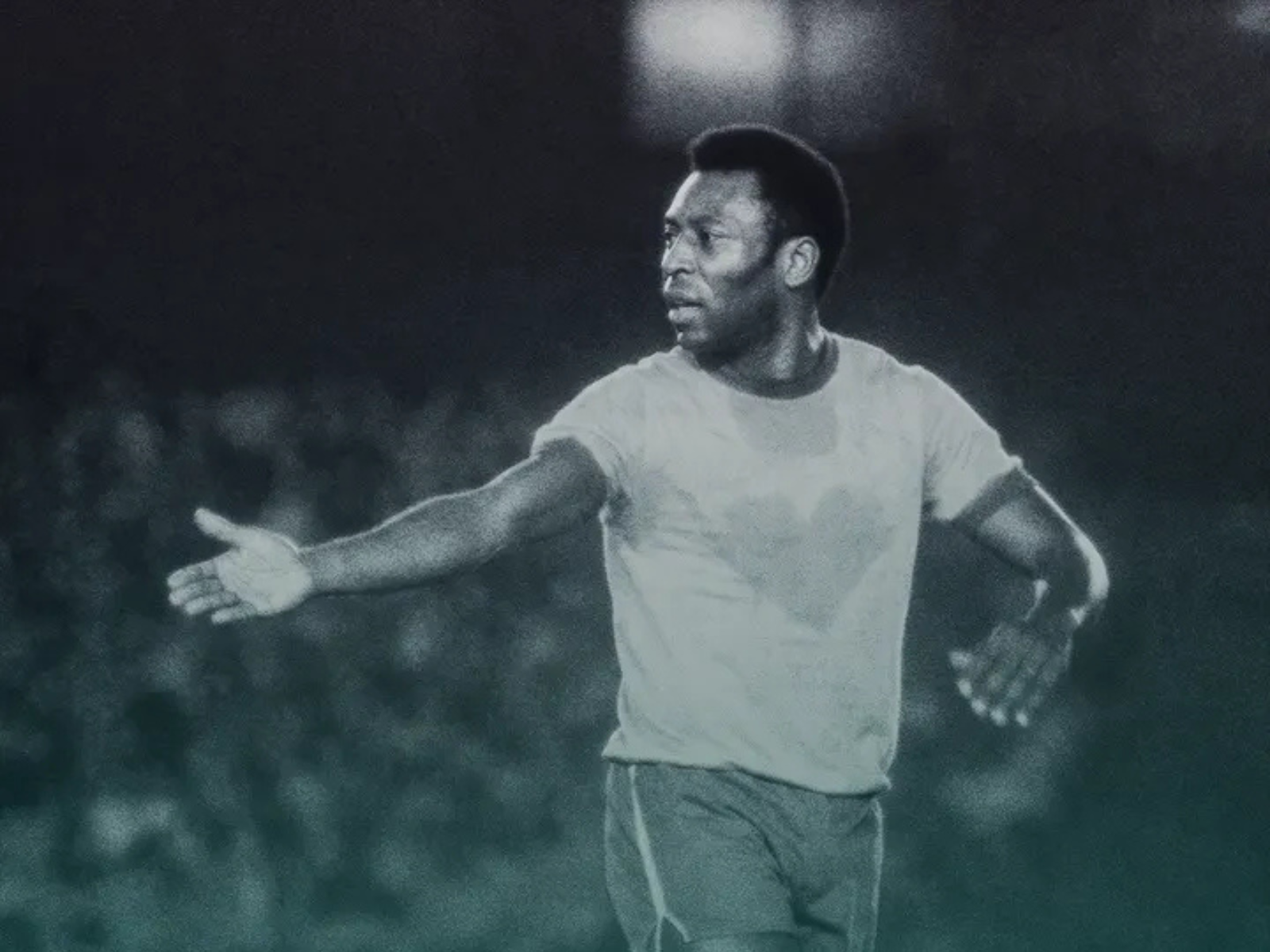
Four years after his death, Pelé’s voice returned to Brazilian television. Not archive footage, but a new performance created with artificial intelligence. The words were his, taken from a letter he published in his final year, and his voice was recreated to read them, timed to land in the middle of the World Cup.
“When the emotion took over, the technology disappeared.”
The campaign came from Elo, Brazil’s homegrown payments network and challenger to Visa and Mastercard. Elo has spent more than a decade positioning itself around Brazilian identity, sponsoring football since 2014 and building its brand on national pride. Releasing the campaign during the World Cup meant standing with the country at the moment it feels most united, rather than advertising during it.
The King’s Last Letter feels like a national tribute, not an ad. It is a passionate reminder of togetherness, amplified by football legends Cafu, Ronaldinho and Zico on their own channels - three men also honouring one of their own. The response reflected that. Rather than debating the use of AI, people described the film as emotional and hopeful.
Does it matter that AI was involved?
Elo did not invent Pelé’s words, it aired them. The letter is real. What Elo created was the stage and delivery: the voice, the pacing and the performance. When the emotion took over, the technology disappeared.
The campaign succeeded, because people responded to how the film made them feel - not how it was made. Elo’s cultural legitimacy made that possible. This was not an international brand borrowing Brazilian heritage for attention, it was a Brazilian brand with a long relationship to the country’s biggest passion, celebrating its greatest football icon.
This legitimacy changes how the work is received, but doesn’t remove the responsibility behind it.
AI does not just allow brands to recreate a voice. It allows them to stage a moment that never happened. Every brand with access to a legacy will eventually face the same decision: Even if the rights exist and the technology makes it possible, would the person being recreated have wanted this performance? Even if the audience does not ask that question, the brand still should.
Final thought.
AI recreated Pelé’s voice. Elo’s cultural legitimacy made people accept it.
See the campaign here
Read next: Signals: Sometimes the institution is no longer the asset - the person is.
Email subscribers receive exclusive perspectives - sign up here.