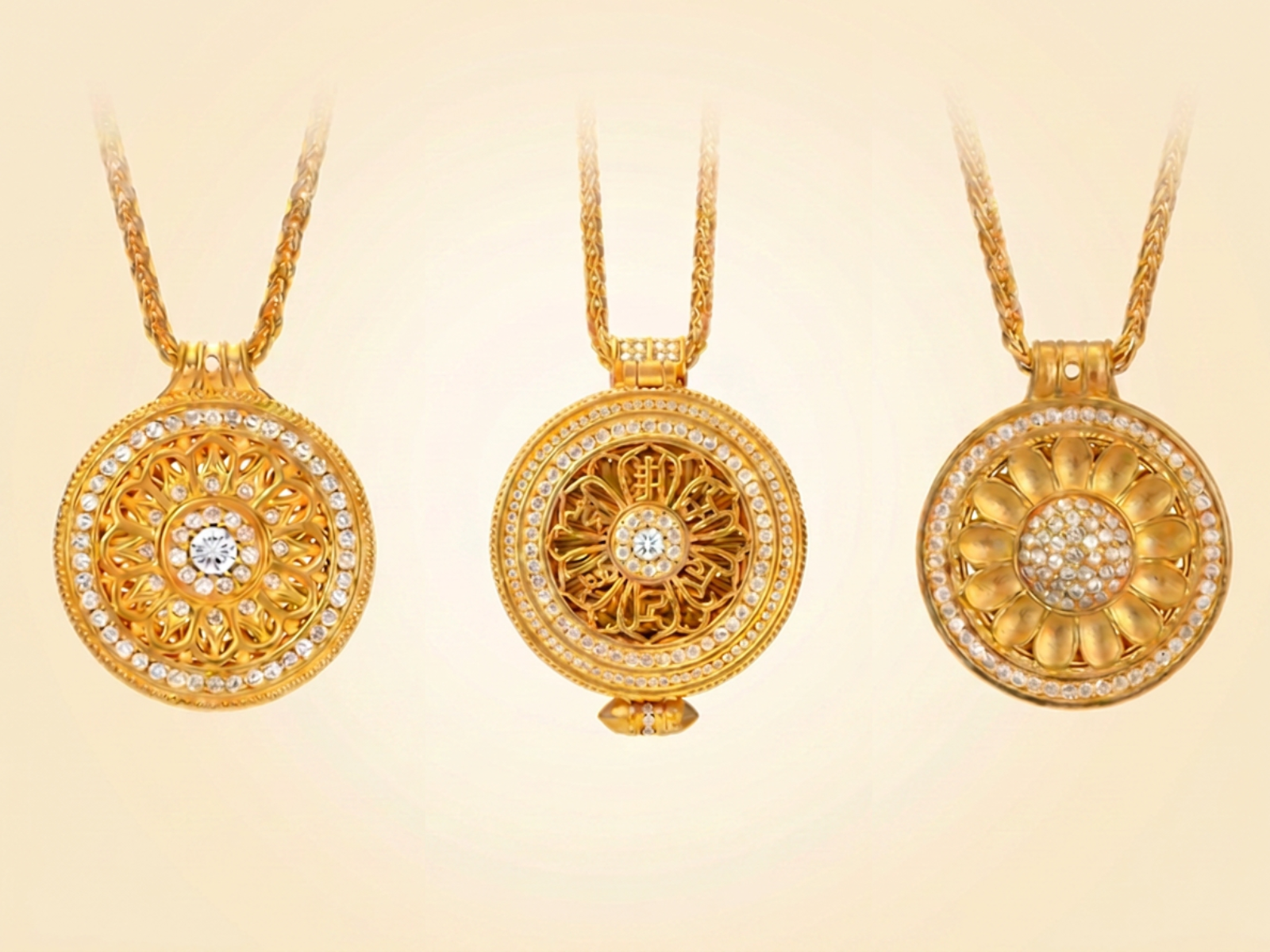
Laopu Gold now outranks Hermès in China.
A Chinese jeweller founded in 2009, whose name means “Old Shop”, has just surpassed Hermès in China. Laopu Gold specialises in high purity (24 karat) gold jewellery rooted in traditional Chinese craftsmanship, symbolism and culture. Today, Laopu Gold operates 42 stores across mainland China compared with Hermès’s 34 - a footprint approximately 24% larger, built in a timespan 43% shorter.
“The result is a brand that feels deeply personal to its clients, in a way that resonates with their own belief system.”
What happened?
Laopu Gold reported revenue of 31.4 billion yuan in 2025 — up 220% year on year. Frost & Sullivan now ranks it second in China’s luxury market, behind LVMH and ahead of Hermès. Whilst Hermés does not disclose China revenue separately, most analysts estimate Laupo Gold has overtaken by 20-40%. Q1 2026 is already tracking toward 20 billion yuan, which would represent 70% of its full 2025 net profit earned in three months.
Why is this important?
Laopu Gold is not winning on price - it positions itself firmly at the pinnacle of luxury. It is not winning on distribution or footprint. It is winning on meaning. Tang and Song dynasty aesthetics, traditional filigree, Chinese mythology. These are not concessions to local taste - they are the proposition. Laupo Gold does not borrow Italian craftsmanship or European status. It has built itself entirely from its cultural inheritance.
The result is a brand that feels deeply personal to its clients in a way that resonates with their own belief system. It feels the way that real relevance feels: it sees me.
What should brands do?
Laopu Gold’s rise, which is mirrored by Songmont and ICICLE reveal three things that are worth watching. First, origin is becoming a differentiator, not a detail. Where something comes from is an increasing part of what clients are buying. Second, heritage must belong to the client, not just the brand and reflect their own cultural identity.Third, when luxury travels, it needs translation. A campaign cannot simply be adapted - the product, the story, the setting, the cultural codes all need to mean something in the market being entered. Relevance cannot be transferred.
Is this about geopolitics?
Nationalism may be a comfortable explanation for Western houses - a way of framing the rise as something external, something that happened to them. This could be true - or it could be a sign the market is changing and what is relevant is shifting. Something interesting is happening. There is a growing pride in China for China, which is not a backlash but a preference. It is not an active rejection of Western luxury, simply a choosing of brands that feel more genuinely connected to who they are, and want to be. For decades China was the growth engine for Western luxury brands. Laopu Gold is simply more relevant to its client, and its success suggests local luxury brands can now compete both culturally and commercially, at the highest end of the market.
Read next: Tank Day: The cost of cultural blindspots.
Email subscribers receive exclusive perspectives - sign up here.
Sources